
Okay, so check this out—most folks treat wallet confirmations like a final stamp. Whoa! Not great. My instinct always nudged me: something felt off about trusting a single confirmation without seeing what happens next. Initially I thought a fast UI was all traders cared about, but then realized the deeper problem: invisible state changes and MEV traps that only show themselves mid-execution. Seriously?
Here’s the thing. Transactions on Ethereum and EVM chains are not atomic black boxes to the user; they’re little stories that unfold across mempools, miners, relayers, and the contract’s internal logic. Hmm… that sentence sounds fancy, but the reality is messier. You sign, you submit, and then you pray. And sometimes you lose—slippage, front-runs, reverts, or worse, subtle logic bugs that steal funds slowly and quietly.
Transaction simulation changes the math. Short simulations catch reverts. Medium ones reveal gas spikes. Longer simulations expose multi-step state transitions that you otherwise wouldn’t see until after the fact, when it’s too late. Initially I assumed simulations were mostly for devs, though actually they’re becoming a user’s best friend.
What’s actually being simulated?
Think of simulation like a dry run. The node or tooling replays your signed transaction against a known state snapshot. Wow! It outputs whether the call reverts, how much gas it should use, and how state variables will change. Short sentence. But there’s nuance: the snapshot matters. If the mempool ordering changes or another actor front-runs you, the real-world result can differ. My gut says that simulation reduces risk dramatically, but it does not eliminate it.
On-chain contracts are full of conditionals, callbacks, and unexpected edge cases. A simple swap may trigger a fee-on-transfer token hook that gobbles your output. A deposit might interact with a reward distributor that has paused transfers for maintenance. Initially I thought the worst cases were rare; then I watched a liquid staking contract pause withdrawals mid-batch. Lesson learned: simulations expose these interactions before you commit.
Now, there are several flavors of simulation. Static analysis looks for obvious pitfalls like reentrancy patterns or unsafe math. Dry-run simulation executes the tx on a snapshot state to see the runtime outcome. And probabilistic simulations try many mempool orderings to estimate slippage risk. All useful. All imperfect. (oh, and by the way…) You still need to interpret results.
What traders and DeFi users actually need
Here’s where product design matters. Short answer: give the user clear, actionable signals. One: will this tx revert? Two: expected gas and worst-case gas. Three: token output ranges and slippage risk. Four: any external contract calls that could alter state unexpectedly. Five: flags for common nasties—delegatecalls to unknown addresses, approvals to infinite allowances, and transfers to contracts with transfer hooks.
I’ll be honest: a flashing “Simulate” button alone is not enough. Users want a digest. A simple green check or a clear red flag helps. They want context—why is something flagged? And they want the option to dig deeper. My bias is toward lightweight defaults with power-user details tucked behind an expand arrow. Simple wins.
Also, integrate simulations into the signing flow, not as an afterthought. Don’t make people copy-paste raw calldata into an explorer. Embed the check in the wallet UX so users see “Simulated outcome: X tokens returned; 0.2 ETH gas; no reverts likely” before they hit confirm. It reduces cognitive load and prevents the classic “I didn’t realize that approval did X” problem.
Smart contract interaction: read vs write, and why both matter
Reads are cheap, writes are not. But reads tell you the state snapshot used by a simulation. If a contract’s internal state is derived from oracle inputs or from queued governance actions, a single read may be stale. Medium sentence. Simulating writes against a recent snapshot helps you see the interplay. You can also simulate sequences—approve, then swap, then stake—to ensure multi-step flows won’t break mid-way.
For power users doing complex interactions—multi-hop swaps, ZK-rollup exits, or lending strategy rebalances—simulate each leg and then the combined sequence. Some wallets and tooling will simulate the entire bundle atomically; that’s gold. On the other hand, there are limitations. You can’t perfectly emulate miner reordering or unpredictable on-chain events that occur between your simulation snapshot and block inclusion. So treat simulation as probabilistic defense, not a guarantee.
dApp integration: the bridge between clarity and friction
dApps should stop pretending “connect wallet” is the end of the UX problem. Seriously. They should bake simulation into the call flow. Before presenting a confirm modal, the dApp can call an RPC simulation service and fetch a human-readable report. If the simulation fails, the dApp can show the failure reason and alternative routes. If it succeeds, it can surface the estimated gas and warnings.
I like when dApps show a “why this matters” note: “This swap uses a vault that may charge a withdrawal fee in certain states.” Users learn. Trust increases. Also, dApps should be transparent about which simulation engine they use and whether the snapshot is recent. Transparency wins trust; opacity breeds suspicion.
Pro tip: integrate local signing wallets that run simulations client-side. That reduces dependency on remote services and avoids leaking intent—crucial for privacy-focused traders. Local simulation can use light node state or remote snapshots cached securely. It’s a trade-off. Trade-offs are everywhere.
Okay, real-world example—I’ve used a wallet that simulated a complex staking transaction and flagged a reentrancy risk; I changed the route and saved a chunk of capital. Not hypothetical. These things happen. I’m not 100% sure everyone will switch right away, but seeing the benefit first-hand changes behavior.
How wallets should present simulation results
Design matters. Short, clear outcomes first, details next. Use color-coded risk levels. Offer “what changed” diffs for token balances pre/post. Show internal calls in a collapsed tree. Provide a “why I flagged this” note for each warning. Users like explanations. They also like the option to ignore warnings—power users will bypass checks frequently, and that’s okay.
One more note: don’t overload users with jargon. “Reentrancy” is fine for DeFi users, but pair it with a one-line plain-language explanation. Also include links to learn more for those who want deeper dives. Keep it optional.
For anyone building or choosing a wallet, test simulation fidelity. Run known edge-case txs and compare simulated vs actual outcomes. Track false positives and false negatives. Continuously improve. Systems that iterate win. They learn from real attacks and user mistakes; they get smarter over time.
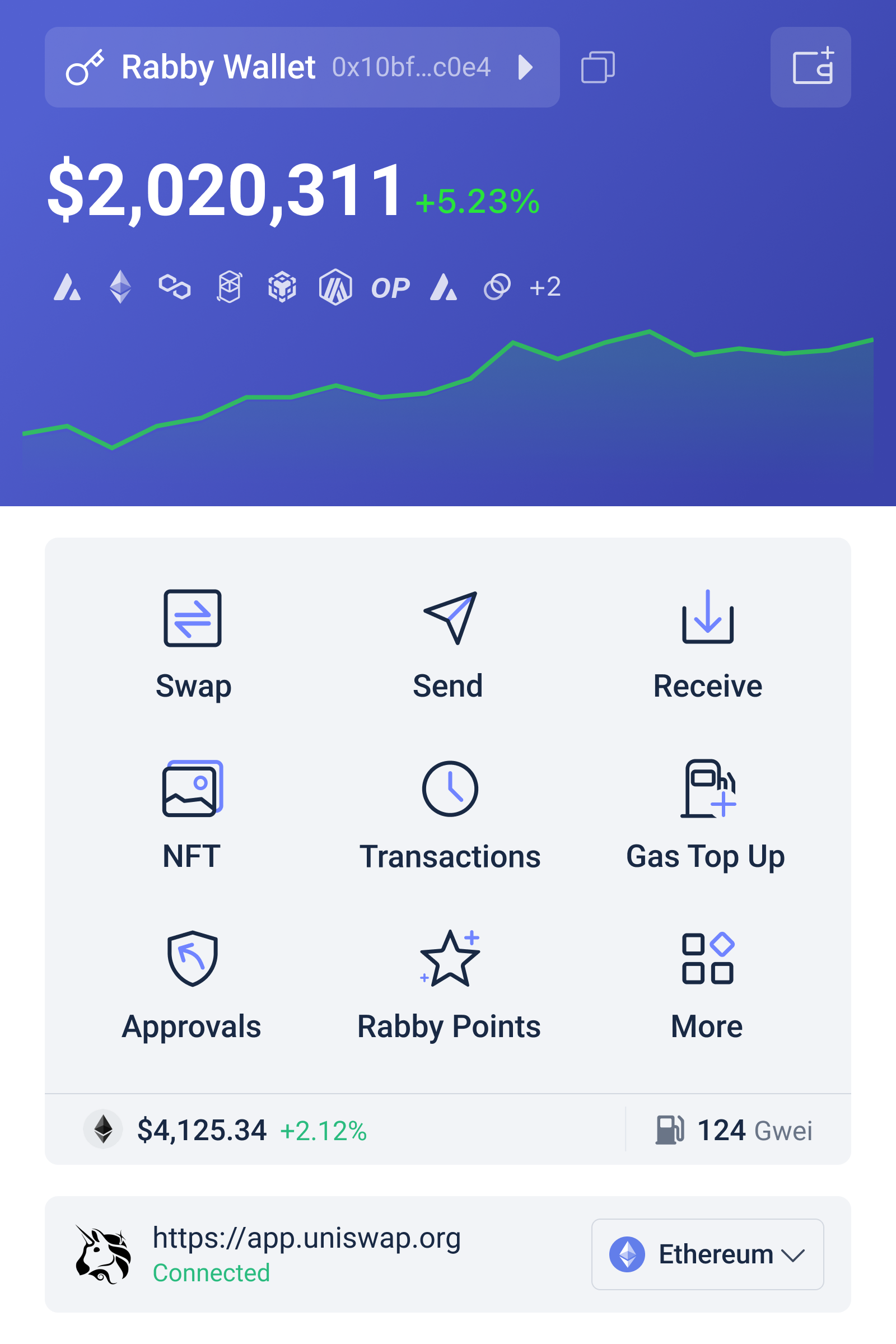
If you want a pragmatic starting point, check a wallet that actively focuses on simulations and security. I found that integrating a wallet like rabby wallet into my workflow cut down on surprise failures. It gave clear, actionable simulation output right before signing, and that shifted how I evaluated risk—fast.
FAQ
What does a simulation not protect against?
Simulations can’t fully predict miner reordering, sudden oracle updates between snapshot and block, or off-chain governance actions that execute mid-air. They also rely on the snapshot’s accuracy; stale state can mislead. So use simulation as a major safety net, but not as infallible armor.
Can simulations be run locally?
Yes. Local simulations reduce privacy leakage and can be more trustworthy if you maintain up-to-date state. But they require resources or a reliable remote snapshot. Many wallets offer hybrid approaches: local simulation with secure remote state snapshots.
How should dApps adopt simulation?
dApps should call simulation services before the final confirm step, display clear results, and offer alternative routes if issues appear. They should also provide transparency about snapshot recency and the simulation engine used.